Welcome to Our Law Firm
Mon - Sat 08:00 - 08:00

BY- Admin
August 24, 2026
Comment(0)
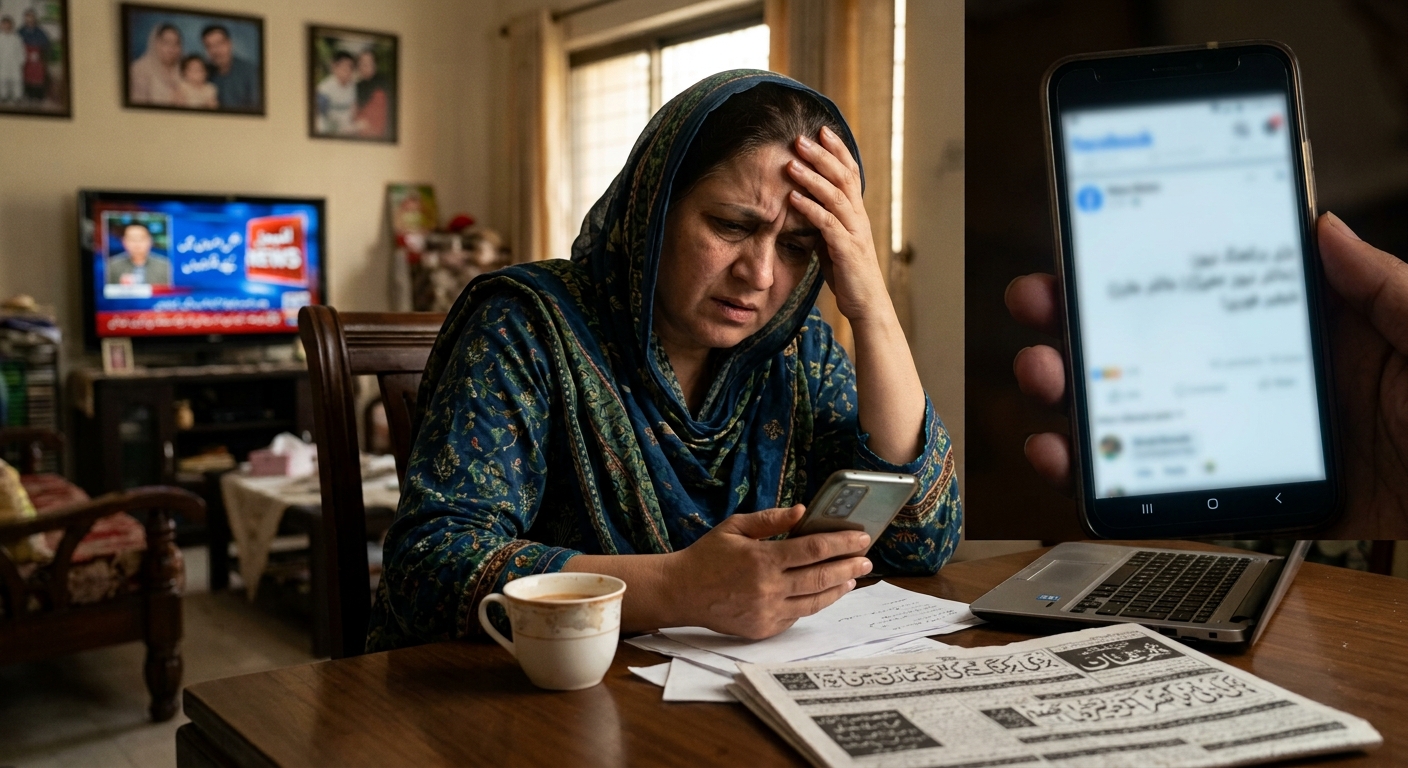
Every day, more Pakistanis find their name, photo, or business dragged through false posts, doctored screenshots, or malicious rumors on Facebook, X, TikTok, and WhatsApp groups. Once something like that goes viral, the questions that follow are almost always the same: Is defamation actually a crime here? Can I sue someone for a false post? How do I file a case against fake news on social media?
This guide answers all three, using Pakistan’s actual legal framework — so you know exactly where you stand and what to do next.
Yes — defamation in Pakistan is both a criminal offence and a civil wrong, and you’re allowed to pursue either route, or both.
On the criminal side, defamation is addressed primarily under Sections 499 to 502 of the Pakistan Penal Code (PPC), where Section 499 defines the offense and Sections 500, 501, and 502 prescribe the criminal penalties. Section 499 defines it broadly: making or publishing any imputation concerning a person — whether through spoken words, written words, signs, or visible representations — with the intent to harm their reputation, or with knowledge that it’s likely to cause such harm, amounts to defamation.
If convicted, Section 500 of the PPC prescribes imprisonment of up to two years, a fine, or both.
On the civil side, the Defamation Ordinance 2002 provides remedies including monetary damages and injunctive relief,alongside general principles under the law of tort.
Why does this dual system exist, and which route should you choose? The two paths serve different purposes:
| Criminal Route (PPC 499–500) | Civil Route (Defamation Ordinance 2002) | |
|---|---|---|
| Standard of proof | Higher standard of proof required | Lower standard (balance of probabilities) |
| Outcome if successful | Imprisonment and/or fine | Compensatory damages |
| Best suited for | Malicious campaigns, repeat offenders, public figures | Financial/reputational loss, seeking an apology or corrective publication |
Many people choose to pursue both simultaneously — a criminal complaint to create legal pressure and accountability, alongside a civil suit to recover actual damages.
Yes. Online defamation on Facebook — or any social media platform — is fully actionable under Pakistani law, and in fact, the law provides an additional layer specifically for digital content.
Beyond the PPC and the Defamation Ordinance, the Prevention of Electronic Crimes Act 2016 (PECA), under Section 20, creates a separate criminal offence for anyone who intentionally and publicly exhibits, displays, or transmits information through an information system that they know to be false, and which intimidates or harms a person’s reputation or privacy. This offence carries imprisonment of up to three years, a fine, or both, and jurisdiction for investigating it lies with the relevant federal cybercrime authority.
Before you approach a lawyer or file anything, gather solid evidence. This should include copies or screenshots of the defamatory post, any witness statements confirming the content was published or seen, and proof of the actual reputational harm caused — such as lost business, professional setbacks, or social damage.
This is common with fake accounts. In these cases, a cybercrime complaint (covered below) is usually the faster route, since the investigating agency has the technical means to trace the account back to a real identity — something a civil court process alone typically cannot do quickly.
You’re not out of options. Overseas Pakistanis can file a defamation case in Pakistan, provided the person or entity being accused resides in Pakistan, though this typically needs to be done through a Power of Attorney.
Yes, and this matters before you file. Truth is a complete defence to a defamation claim — you cannot succeed in a defamation case over a statement that is actually true, even if it’s damaging to you, so it’s worth honestly assessing the facts before filing. Similarly, fair comment or opinion on matters of public interest is also generally protected.
Here’s the practical, step-by-step version of what to actually do:
Screenshot everything — the post, the profile, comments, share counts, timestamps. Content gets deleted quickly once the poster realizes there’s a legal risk, so speed matters here.
If the goal is to stop a fake news post from spreading further — not just punish the poster — a cybercrime complaint is often the quickest tool available, since it can trigger content removal requests to the platform alongside the criminal investigation. Pair this with your criminal or civil filing so you’re addressing both the spread of the content and the accountability of the person behind it.
An experienced lawyer can assess the strength of your evidence before you file and recommend which route — criminal, civil, or both — gives you the strongest case. Given how technical online-defamation complaints can get (proving who posted something, linking an anonymous account to a real identity, meeting the criminal standard of proof), this is one area where professional guidance genuinely changes outcomes.
Once filed, the case proceeds as a criminal trial where both sides present evidence, and the prosecution must prove beyond reasonable doubt that the accused intentionally defamed the complainant — or, on the civil side, the court issues notices, reviews evidence, and hears arguments from both parties, with the claimant needing to prove harm and falsity while the defendant may raise defenses like truth or fair comment.
If the case succeeds, criminal proceedings can result in imprisonment and/or a fine for the offender, while a civil suit can result in monetary compensation awarded in your favor. Awards for reputational harm can range from modest amounts to several million rupees in serious cases involving wide publication and clear malicious intent. In many cases, a formal apology and corrective publication end up being just as valuable to the victim as the monetary award itself.
Pakistan’s criminal defamation provisions have also, at times, been used against people speaking up about genuine wrongdoing — including cases where victims of harassment or abuse have themselves faced defamation complaints for speaking out. If you’re on the receiving end of a defamation complaint that you believe is retaliatory rather than genuine, don’t assume you have no defense — truth, fair comment, and lack of malicious intent are all recognized defenses, and a lawyer can help you assess your position quickly.
Is defamation a criminal offence in Pakistan? Yes. It’s punishable under Sections 499–500 of the Pakistan Penal Code with up to two years’ imprisonment and/or a fine, and separately under Section 20 of PECA for online/digital defamation.
Can I sue someone for a false Facebook post in Pakistan? Yes — both criminally and civilly. You can pursue a criminal complaint under the PPC and PECA, a civil suit for damages under the Defamation Ordinance 2002, or both at the same time.
How do I file a case against fake news on social media? Preserve evidence immediately, then file either a police report/private complaint under PPC 499–500, a civil suit under the Defamation Ordinance 2002, and/or a cybercrime complaint for content takedown — ideally with a lawyer’s guidance.
What’s the punishment for criminal defamation in Pakistan? Up to two years’ simple imprisonment, a fine, or both under Section 500 PPC. Under PECA Section 20, online defamation can carry up to three years’ imprisonment and/or a fine.
Can overseas Pakistanis file a defamation case? Yes, provided the accused resides in Pakistan, typically through a Power of Attorney.
Is truth a defense against a defamation claim? Yes — a true statement, even a damaging one, cannot succeed as a defamation claim in Pakistan.
If someone has posted false, damaging content about you on social media in Pakistan, you’re not without options — the law gives you criminal, civil, and cybercrime-specific routes, and you can pursue more than one at once. The key is acting quickly: preserve your evidence before it disappears, decide which route fits your situation, and get a lawyer involved early so your complaint is built correctly the first time.
This article is for general informational purposes only and does not constitute legal advice. Every defamation case depends heavily on its specific facts. If you’re dealing with a false post or fake news about you, consult a qualified lawyer to assess your options before filing.