Welcome to Our Law Firm
Mon - Sat 08:00 - 08:00

BY- Admin
July 10, 2026
Comment(0)
One of the most common legal questions we receive from both landlords and tenants is: how much can a landlord increase rent in Pakistan? The answer depends entirely on which province the property is located in — Pakistan has no single national rent-increase cap, and the annual rent increase law in Pakistan differs meaningfully between Punjab, Sindh, Islamabad, and the other provinces. This guide walks through the applicable rent increase percentage in Punjab and Sindh, how fair rent determination in Pakistan actually works, and the role of the Rent Controller in Pakistan in resolving disputes.
Tenancy is a provincial subject, so each province regulates rent increases under its own statute:
Because each law sets its own rules, the honest answer to “how much can a landlord increase rent in Pakistan” is: it depends on where the property is. Below is a province-by-province breakdown.
Punjab takes a contract-based approach. Unlike the ordinance it replaced (the Punjab Urban Rent Restriction Ordinance, 1959), the Punjab Rented Premises Act, 2009 does not fix a statutory cap on rent increases and does not prescribe a formula for determining “fair rent.” Instead:
This makes the tenancy agreement itself the single most important document for a Punjab tenant seeking to know their rent increase exposure — if the agreement is silent, the increase is not enforceable simply on the landlord’s say-so.
Sindh takes a statutory cap approach under the Sindh Rented Premises Ordinance, 1979:
So the rent increase percentage in Sindh is capped at a maximum of 10% per year, and where a fair rent has been formally fixed, it cannot be revisited again for three years.
Islamabad’s rule has changed significantly and is worth understanding in its current form. Under the original Section 10 of the Islamabad Rent Restriction Ordinance, 2001, rent stood automatically increased by 25% every three years. This was amended by the Islamabad Rent Restriction (Amendment) Act, 2021, which replaced the old formula with an automatic annual increase of 10%, applicable to both residential and non-residential (commercial) buildings, unless the landlord and tenant agree otherwise in writing. This 10% figure was a point of public debate at the time — commercial tenant groups had lobbied for the change, while some commentators argued a lower percentage should apply to residential tenants given Islamabad’s cost of living — but the 10% annual automatic increase is what was ultimately enacted.
Both provinces continue to apply versions of rent restriction law descended from the 1959 ordinance, with the Rent Controller empowered to determine fair rent on application, broadly similar in structure to the Sindh model. As with Sindh and Islamabad, any party disputing a proposed increase can apply to have “fair rent” formally fixed rather than relying solely on the landlord’s unilateral notice.
Where the parties cannot agree, or where a landlord’s proposed increase is disputed, either party can apply to the Rent Controller for fair rent determination. Under Section 8 of the Sindh Rented Premises Ordinance, 1979 — a provision broadly mirrored in structure across the other provinces that use the Controller model — the following factors are considered:
For example, if a tenant has been paying a below-market rent for years while comparable properties in the same locality now command significantly higher rent, the Controller can use that comparison — together with the other factors — to fix a new fair rent. Importantly, once fair rent is fixed by the Controller, the landlord cannot charge or receive rent in excess of that fair rent, and any agreement purporting to allow a higher payment is void.
The Rent Controller in Pakistan (called the Rent Tribunal in Punjab) is the quasi-judicial authority responsible for:
Disputes over rent increases in Pakistan are generally not heard by the ordinary civil courts; they fall within the exclusive jurisdiction of the Rent Controller (or Rent Tribunal in Punjab) for the area in which the property is located. Filing before the wrong forum can be fatal to a case, as Pakistani courts have held in matters concerning jurisdictional compliance under the relevant rent ordinance (see Jamil Ahmad v. Additional District Judge, Islamabad, 2003 YLR 1894).
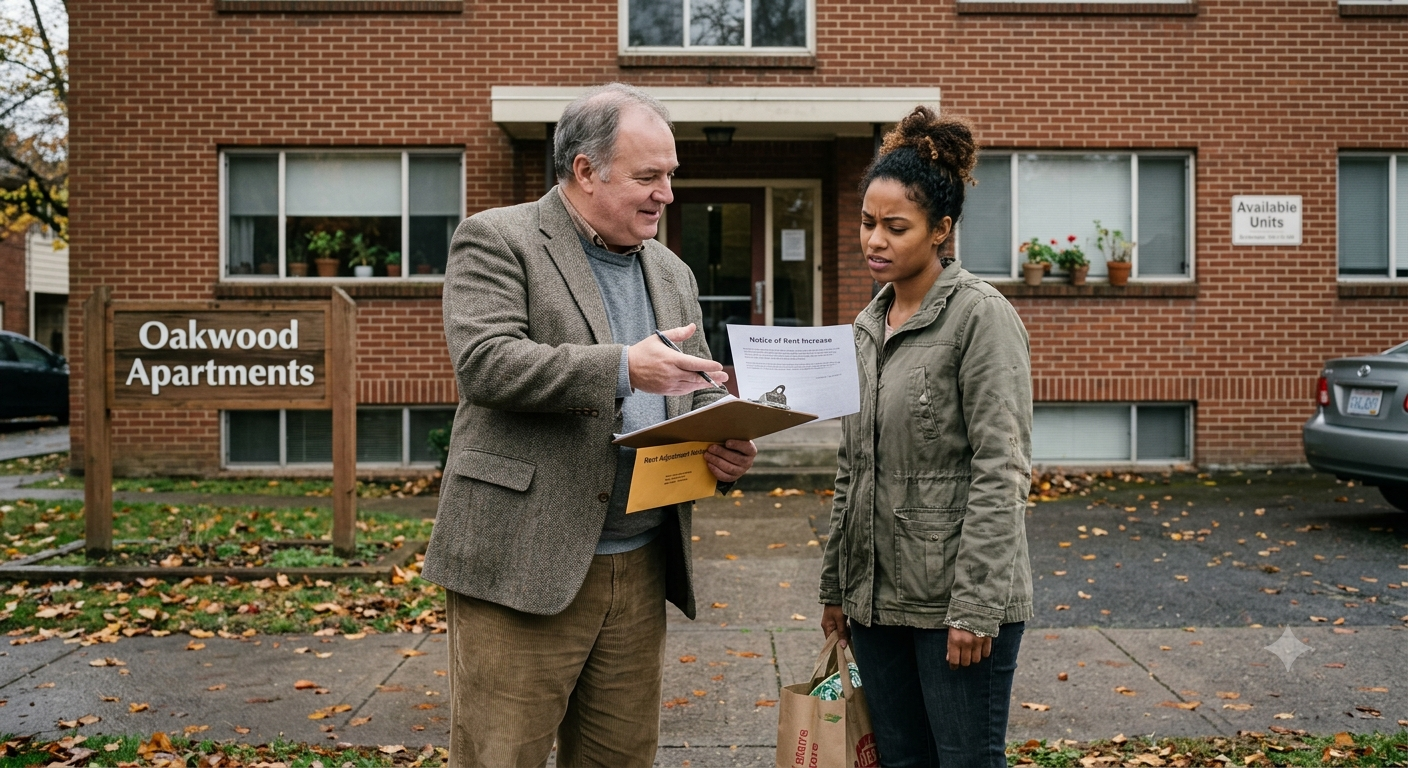
A tenant who believes a rent increase exceeds what the law permits — for instance, a demand for a 20% increase in Sindh, where the statutory cap is 10% per annum — has several options:
Conversely, a landlord whose rent has fallen well below the local market rate is not without a remedy either — Section 8-style fair rent applications exist precisely to let a landlord bring an outdated rent up to a defensible market level through the proper channel, rather than through unilateral demands.
| Province/Territory | Statute | Rent Increase Rule |
|---|---|---|
| Punjab | Punjab Rented Premises Act, 2009 | No statutory cap; increase must be agreed and documented in the registered agreement (market practice ~10%/year) |
| Sindh | Sindh Rented Premises Ordinance, 1979 | Capped at 10% per annum; fair rent, once fixed, cannot be revised again for 3 years |
| Islamabad (ICT) | Islamabad Rent Restriction Ordinance, 2001 (as amended 2021) | Automatic 10% annual increase for residential and commercial buildings, unless parties agree otherwise in writing |
| KP / Balochistan | Respective Rent Restriction/Rent of Premises Ordinances | Controller-determined fair rent model, broadly similar to Sindh |
(This table is a general summary; always confirm the current position with counsel, as rent statutes are periodically amended.)
There is no single answer to “how much can a landlord increase rent in Pakistan” — the correct figure depends on the applicable annual rent increase law, which varies from a contractually-negotiated norm in Punjab to a strict 10% statutory cap in Sindh and an automatic 10% annual increase in Islamabad. Where a dispute arises, fair rent determination by the Rent Controller — based on comparable rents, construction costs, taxation, and property value — is the proper legal route, not unilateral demands or threats of eviction.
At Jamali Law Associates, we advise both landlords and tenants on lawful rent increases, fair rent applications, and representation before the Rent Controller/Rent Tribunal across Pakistan. If you are facing a rent dispute or need to know exactly what increase is legally permissible for your property, our team can guide you through the process.
This article is intended for general informational purposes and does not constitute legal advice. For advice specific to your situation, please consult with a qualified lawyer at Jamali Law Associates.