Welcome to Our Law Firm
Mon - Sat 08:00 - 08:00

BY- Admin
November 18, 2026
Comment(0)
If you are applying for a work, study, family or residence visa, there is a good chance the embassy will ask for a police clearance certificate (PCC). It is one of the documents that causes the most delays, because applicants often start late, apply to the wrong office, or discover a problem on their record at the last minute.
This guide explains what a police clearance certificate is, which visas require it, how to get it in Pakistan (and from abroad), what documents you need, how long it is valid, and what to do if something goes wrong.
A police clearance certificate, also called a police character certificate, is an official document issued by the police that states whether you have a criminal record or any pending criminal case in the area covered by the certificate.
You may see it called by different names:
In Pakistan, it is issued by the provincial police departments. The certificate is generally tied to the police jurisdiction where you live, which matters later in the process.
Requirements depend on the country and the type of visa. In general:
The golden rule: never guess. Read the document checklist issued by the embassy, consulate or visa centre for your exact visa category, and follow it.
The system is not the same in every province, and it is changing. Here is the current picture, based on publicly available information. Always confirm with the issuing authority before applying.
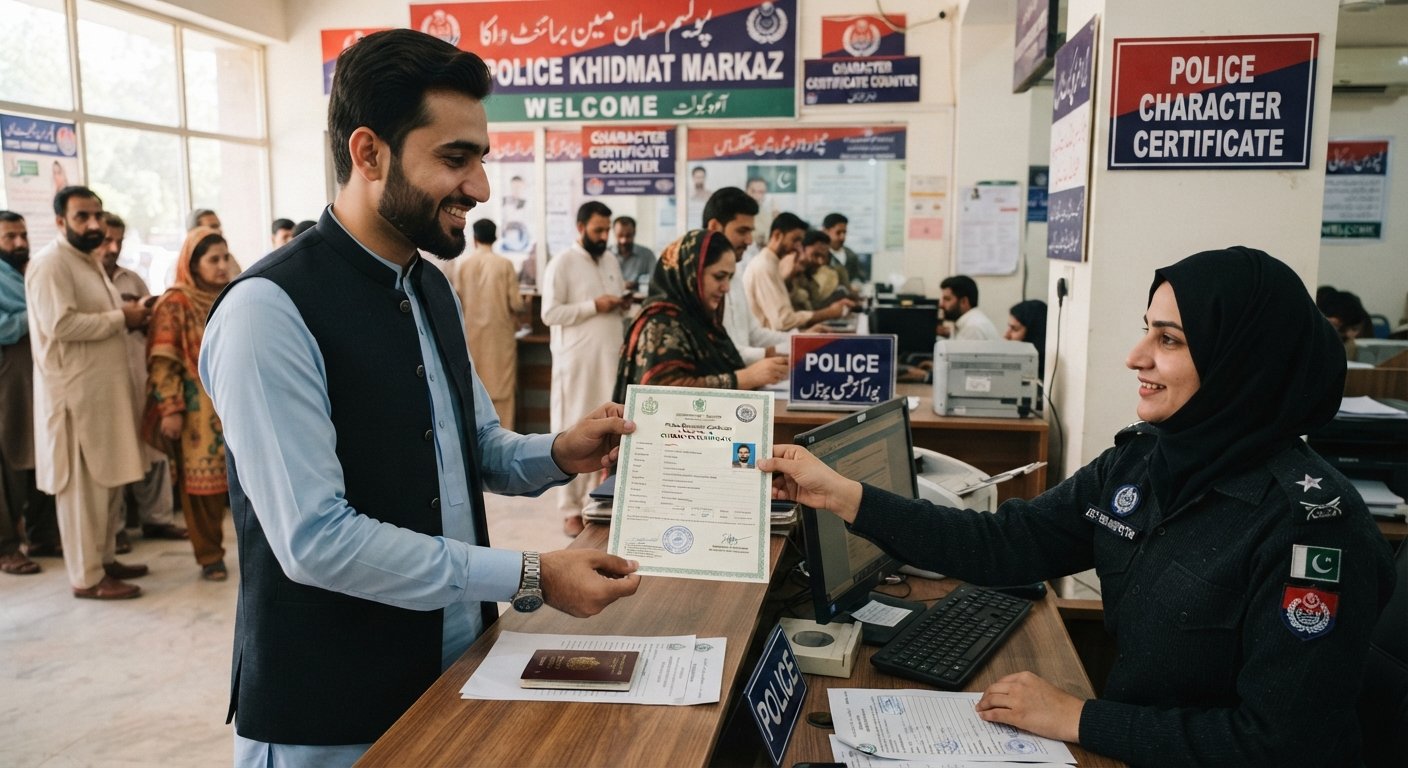
Applicants from Punjab and Islamabad can usually apply through the Police Khidmat Markaz (PKM) online portal. The general steps are:
Some Islamabad applicants may also apply in person through a facilitation centre, such as an Asaan Khidmat Centre, where the officially listed documents typically include a copy of the CNIC, passport-size photographs, proof of residence and, for people returning from abroad, details of their stay overseas.
In some other areas, including Sindh and Khyber Pakhtunkhwa, the process may still involve visiting the District Police Office, the SSP office or a police facilitation centre in person. The exact form, fee and timeline can differ by district.
In August 2026, reports said the federal government approved a uniform, nationwide online system for police character certificates, to be run through a central platform. The idea is to let citizens apply from home instead of travelling to a police office. At the time of writing, applicants should check whether the new platform is live for their area, and which fees and procedures apply, before relying on older instructions.
The exact list depends on the police authority, but applicants commonly need:
Overseas applicants may need additional identity documents and may have to apply through the Pakistani embassy or consulate.
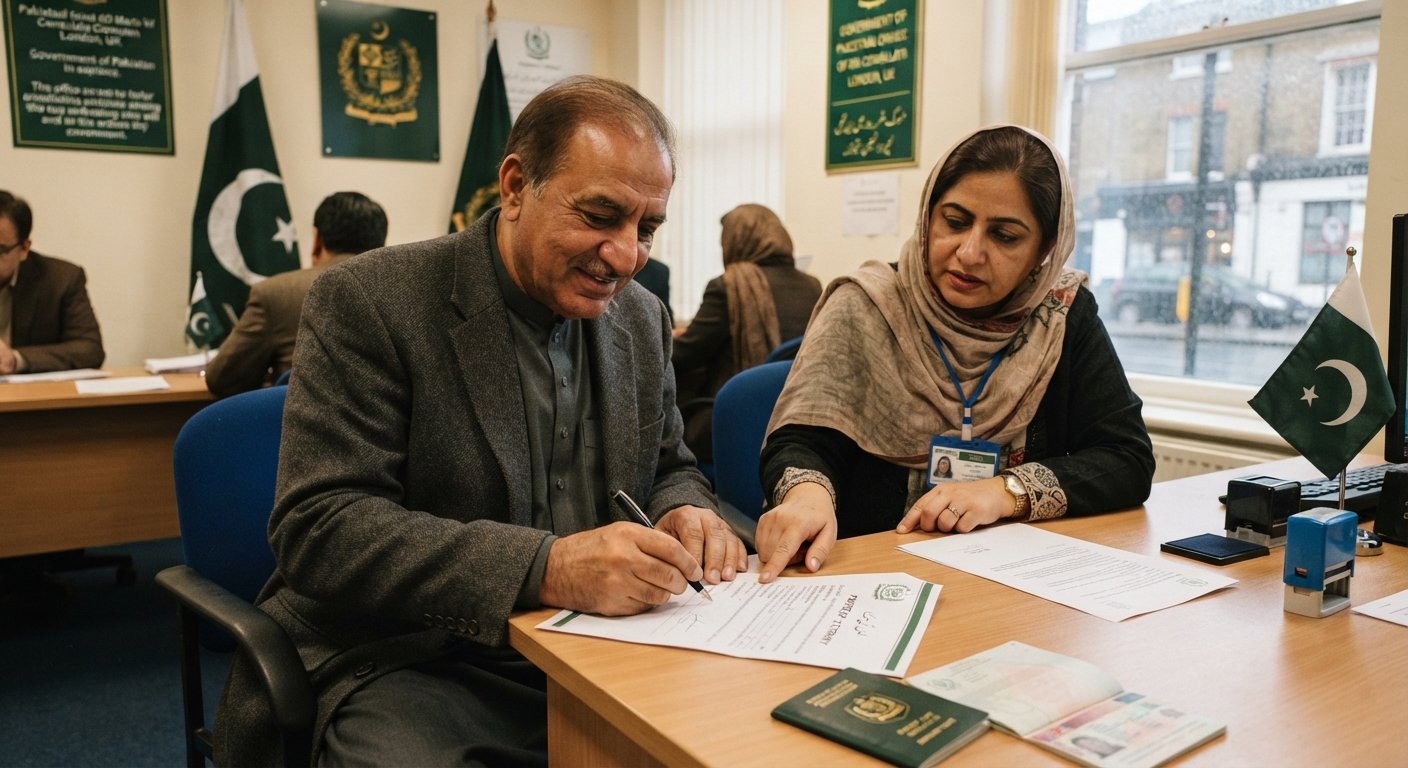
If you are already outside Pakistan, you usually have two practical options:
If you are applying through a consulate, check their official website for fees, documents and appointment instructions.
This is a common source of rejection. Many embassies ask for a certificate covering every place you have lived for a certain number of years, and sometimes from a particular age.
For example:
Read the embassy’s instructions carefully, and list every place you have lived before you start applying.
Pakistan does not always print a validity date, and the embassy decides how recent the certificate must be. Many embassies accept certificates issued within three to six months of the application date, but some are stricter.
To avoid problems:
Some embassies, particularly for work and residence visas, require the certificate to be attested by the Ministry of Foreign Affairs (MOFA). Pakistan joined the Apostille Convention in 2023, so an apostille from the competent authority is now commonly used for documents going to member countries.
Check with the embassy whether they want:
Do not attest or translate until you confirm what the embassy requires. It is a costly step to repeat.
Fees and timelines vary by province, route and urgency. Public information suggests that the Punjab online route is relatively quick and inexpensive, while embassy applications from overseas and manual applications can take weeks. Fees and processing times change, so always confirm the current amount on the official portal or office.
To be safe, plan at least three to four weeks for the whole process, plus extra time if attestation or apostille is needed.
This is where legal advice becomes important. A police certificate can reveal:
If you have any such history, the embassy will treat it very seriously. Hiding it is a bad idea, because an embassy can discover it through other checks, and a misrepresentation can lead to refusal and long-term problems with future visas.
What applicants can do:
A lawyer can advise on how the record will be read by the embassy and what documents to submit.
| Problem | Likely cause | What to do |
|---|---|---|
| Application rejected | Wrong district or missing documents | Re-check the checklist, correct and re-apply |
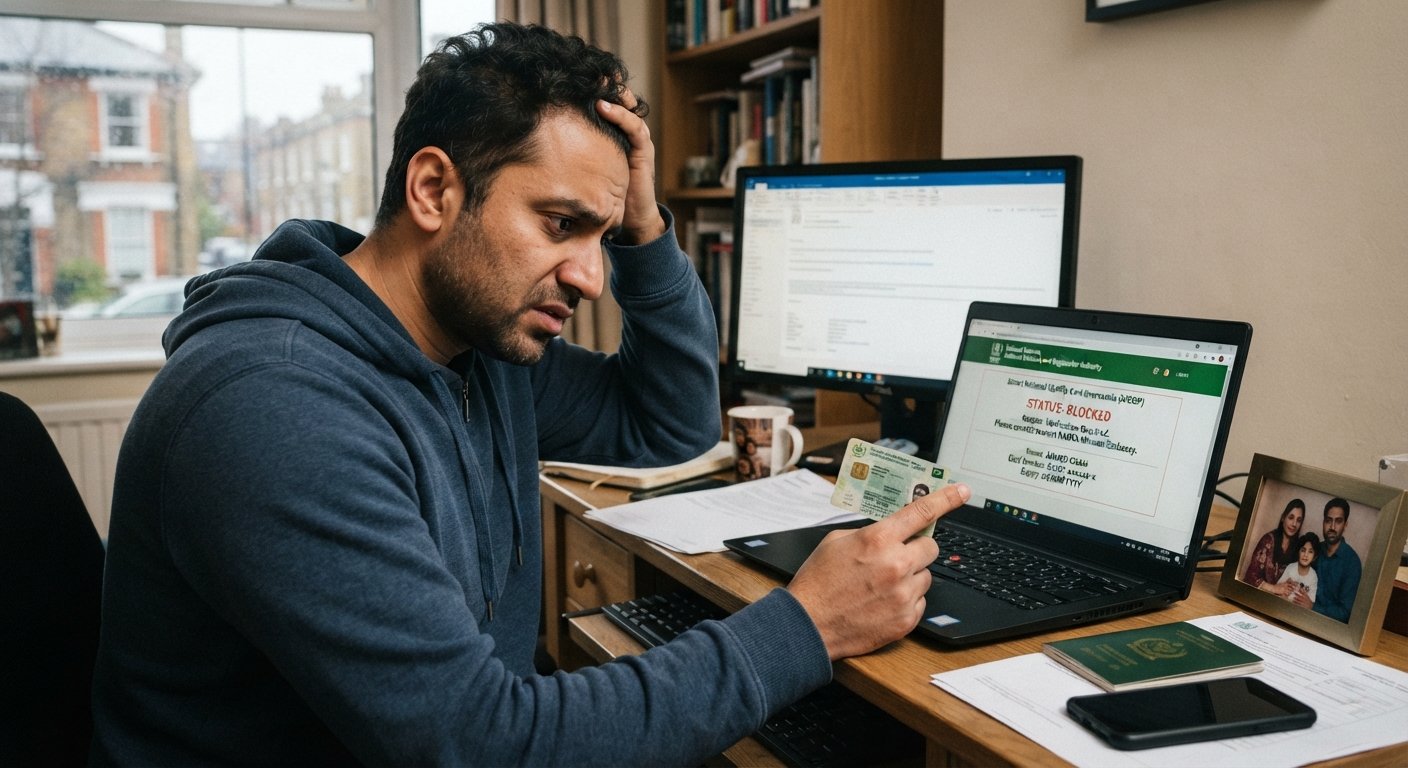
| Name mismatch | Spelling differs between CNIC and passport | Correct the record first, or attach a name-correction document |
| Certificate says “not verified” or delayed | Verification still pending with local police | Follow up through the portal or the relevant police office |
| Embassy refuses the certificate | Wrong type, expired, or not covering all areas | Obtain the correct and recent certificate |
| Record shows a case | Pending or previous FIR | Get case status and court documents, seek legal advice |
| Applied from abroad and stuck | Appointment, authority letter or portal issue | Contact the consulate, or authorise a representative in Pakistan |
Usually not for a standard short-stay tourist or visit visa. It is more commonly required for long-stay national visas such as work, study and family reunification. Always check the embassy’s official checklist.
It varies. Online routes can be relatively quick, while manual applications and applications through consulates abroad can take several weeks. Plan for at least three to four weeks.
Fees depend on the province and the route. Publicly reported figures for Punjab are modest, but the amount can change, so check the official portal or office.
In Punjab and Islamabad, there is an online route through the Police Khidmat Markaz portal. A new nationwide online system was approved in 2026, so check which option is available for your area.
In many cases yes, with an authority letter and the necessary documents, but rules vary by police authority. Confirm before applying.
The embassy decides. Many accept three to six months from the date of issue, but always check your visa category’s requirement.
Often yes, if the embassy asks for coverage of every place you lived for a stated number of years. Read the instructions carefully.
It can seriously affect the application. Get the current case status, gather court documents, and seek legal advice before applying.
Some embassies require it and others do not. Confirm first, then complete the step.
A police clearance certificate is a simple document in theory, but small mistakes such as the wrong jurisdiction, an expired certificate, mismatched names or an unaddressed case can delay or sink a visa application. Start early, follow the embassy checklist exactly, keep your documents consistent, and be honest about any history on your record.
If you have a pending case, an old FIR, or need help preparing court documents for your visa file, Jamali Law Associates can review your situation and guide you on the next steps.
Disclaimer: This article is for general information and is not legal advice. Procedures, fees and online systems change, and requirements differ by embassy and visa type. Always confirm the current rules with the issuing police authority and the relevant embassy or consulate.